Next >>
<< Previous
 Next >>
<< Previous
Next >>
<< Previous
A mostly irrelevant aside about mythical vegetables:
In the original versions of the myth, Prometheus escapes carrying fire "in a hollow fennel stalk",
which it turns out would have looked something like this: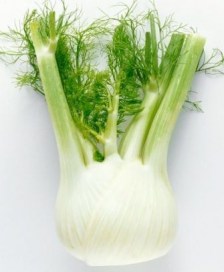
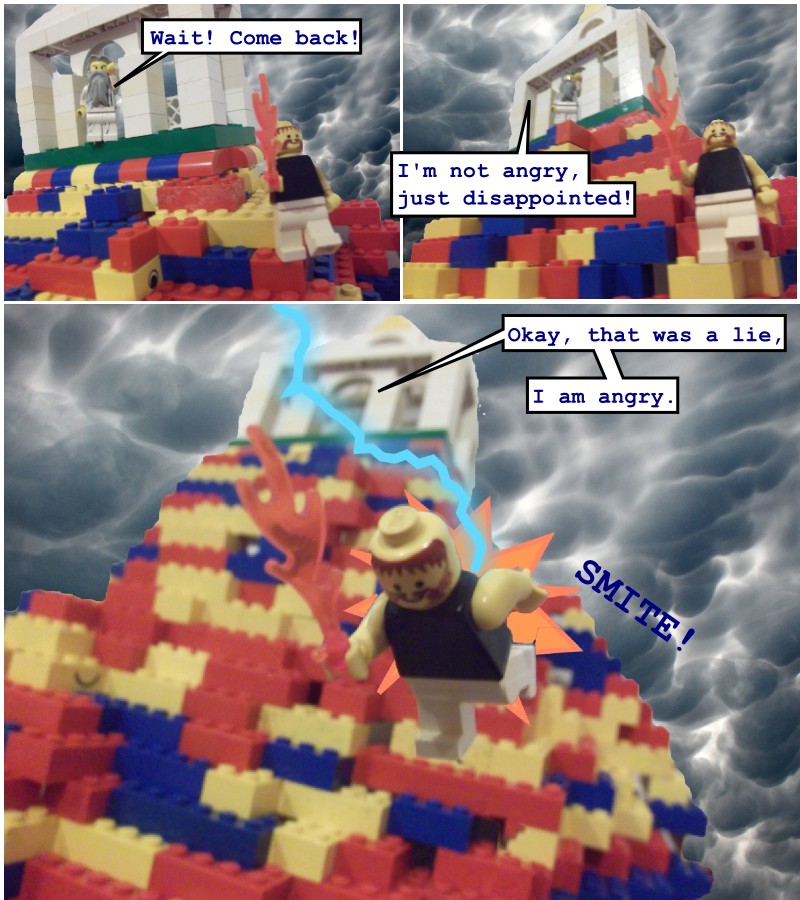
Obviously they don't make those in Lego, so I didn't use one. Its inclusion in the myth actually seems a bit odd - Hesiod's version is extremely sparse in in detail in all other areas, and yet for some reason includes the precise vegetable used to smuggle fire away.
This could be for a number of reasons (but I'm just speculating here): It could just sound good and match the meter of the poem (a common reason for including otherwise nonsensical descrption in epic poetry), it could have didactic -that is, educational - elements (Although whether fennel makes for a particularly good brand or torch I can't say), or it could just be a traditional element of a much older story - Think Jack and the Beanstalk, for a modern version of a traditional but otherwise nonsensical plant-based plot element.
Another alternative (again speculation by me) is that this tradition lies in the translation, and what one translator calls fennel isn't actually fennel, merely a fennel-like substance, and this traditional mistranslation is passed down through to the modern day. A similar phenomenon occurs in a vast quantity of high-school Ancient History texts, which insist on calling ancient grain 'corn', when it was in fact wheat or barley, and corn wouldn't be discovered for around a millenium.